Reading Poetry for Dummies
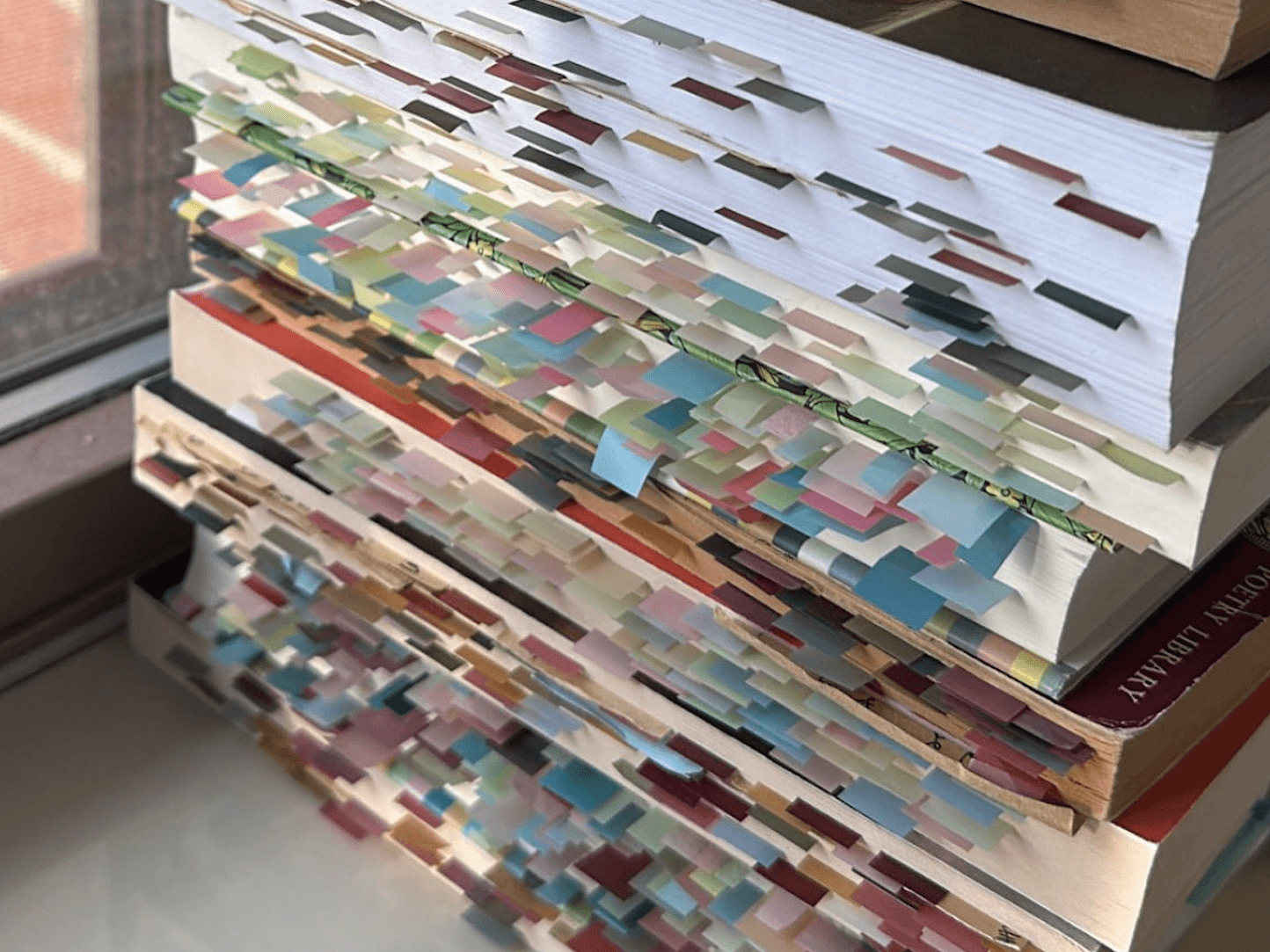
Irrelevant? Poetry? You must be mistaken.
So many people in this world are either (1) intimidated by, (2) too lazy for, or (3) uninterested in reading poetry. Which is a damn shame, a bitter one, but no one believes me, because no one reads poetry. Of course that’s not exactly true, but it feels true.
“Hellooooo, rap music?” That’s fair, and excellent. I love it, I’m about it. There is no ongoing trend I can see where people are (1) intimidated by, (2) too lazy for, or (3) uninterested in listening to rap music. So that’s a huge win for the future of using language at a high and strategic level to convey a meaningful artistic message. (Which is, in fact, what rap does.)
That said, I am specifically talking about the poems we read as written text, without music and usually without images. Although neither of those things are rules, which is a great thing to love about poetry: no rules.
Poetry: Where what is created by the text becomes part of the text, like how the city becomes a character in Sex and the City. (Or so I've heard. I've seen one episode.)
Where every single word, both in its selection and placement, is an intentional contribution to the sound and feel, which in turn creates a new whole. Boundlessly free, and larger for it. If the famous one-word poem “Lighght” (Aram Saroyan, 1965) teaches us anything, let it be this: none of those words had to be there. So why are they?
Baselines are important. What does it take to closely read a poem - to really read it? What does it take to say you “get it,” maybe even to judge it good or bad?
As a person who truly, truly enjoys reading poetry, and does so often, I’ll tell you what I think.
Palm the apple.
Look at the poem as a whole on the page. Consider it. Notice the rough shape.
Show it the light.
Poetry is a verbal animal - read it out loud! Weird parts? Something sounds off? Take some time to work out those kinks for yourself. Give it one good, smooth, out-loud read. The way YOU believe it was meant to be read.
Pause. What does this poem mean to you initially?
This is not that serious. Form a crazy hot take, it’s fine.
Shake it around.
Google any referential context, proper nouns, or unfamiliar words. Make sure we’re speaking the same language here.
What are the images created? Sit with the poet and look where they’re pointing.
Are there parts that feel faster or slower? What does the structure - the length of the lines, the use of punctuation, the spaces or gaps - “do” in this piece? Does it rush you along, or force you to pause? Does it flow like a river, or smash like a car wreck? Might this be subtly impacting how you feel when you read?
What are your favorite parts? Any areas where the word choice feels “crunchy” - where you go “ooh, yeah” - or find yourself re-reading?
Show it the light one more time.
What does this poem mean to you now?
Ultimately, if you have an honest reason for believing the poem means what you believe it means, even if you’re pulling heavily from the collage of your own experience, that works. Go with that. The moment you lay eyes on a poem, there’s a second name on those title papers. A poem’s core proposition is “walk with me.” Don’t forget the part where you walk as you.
All of this to say: I am just a person who loves a thing very much. You never have to read a poem in your life. But please do! To quote my damn self (yeah, they're gonna take me out back and shoot me after this): a whole world waits in the lights already on.
Come here, baby, it's awesome over here! If I play one teaspoon of a part in one person reading one poem when they wouldn't have otherwise, my god have I certainly lived.